
PRESIDENT Ferdinand R. Marcos, Jr. is turning to digital tools and expanded skill training to strengthen the Philippine labor force, as his administration ramps up education spending to support job creation and household consumption.
Mr. Marcos led the launch of the Technical Education and Skills Development Authority’s (TESDA) Skills Passport Mobile App in San Juan City on Thursday, a platform designed to modernize skill training and streamline access to scholarships, credentials and employment opportunities.
“The platform can be considered a job portal, linking students, graduates, workers and industry representatives from all regions of the country,” he said in Filipino at the launch.
The app allows TESDA trainees and graduates to store and verify national certificates, plan training pathways, enroll in online courses and apply for scholarships. It also includes artificial intelligence-powered assistance to respond to queries 24/7 and uses blockchain technology to ensure the authenticity of training credentials — a response to longstanding employer concerns over verification of skills.
The launch coincides with efforts to address rising unemployment and labor market mismatches. Philippine Statistics Authority data showed the unemployment rate rose unexpectedly to 4.4% in November 2025 from 3.2% a year earlier, or roughly 2.25 million jobless Filipinos.
Although slightly lower than October’s 5% peak, the figures highlight persistent weakness in the labor market.
The Philippine economy expanded 4.4% in 2025, the slowest in five years. Growth in the fourth quarter eased to 3% — the lowest in 16 years outside the pandemic — affected by delays in flood control projects that dampened investment, household consumption and government spending.
The Marcos administration is boosting education and training funding to address these challenges. The 2026 national budget allots P1.015 trillion to the sector, the highest ever, while TESDA will get almost P20 billion to expand scholarships and skill programs.
Officials said digital platforms like the Skills Passport App are intended to reduce friction in accessing opportunities and bring training and employment services closer to Filipinos, particularly in a labor market increasingly shaped by technology.
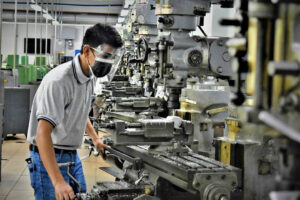
The government is also targeting persistent mismatches between education outcomes and industry needs, even as demand rises for certified workers in construction, manufacturing, services and overseas employment.
Digital credentialing is seen as a tool to improve labor mobility and employer confidence, both domestically and abroad. — Chloe Mari A. Hufana